
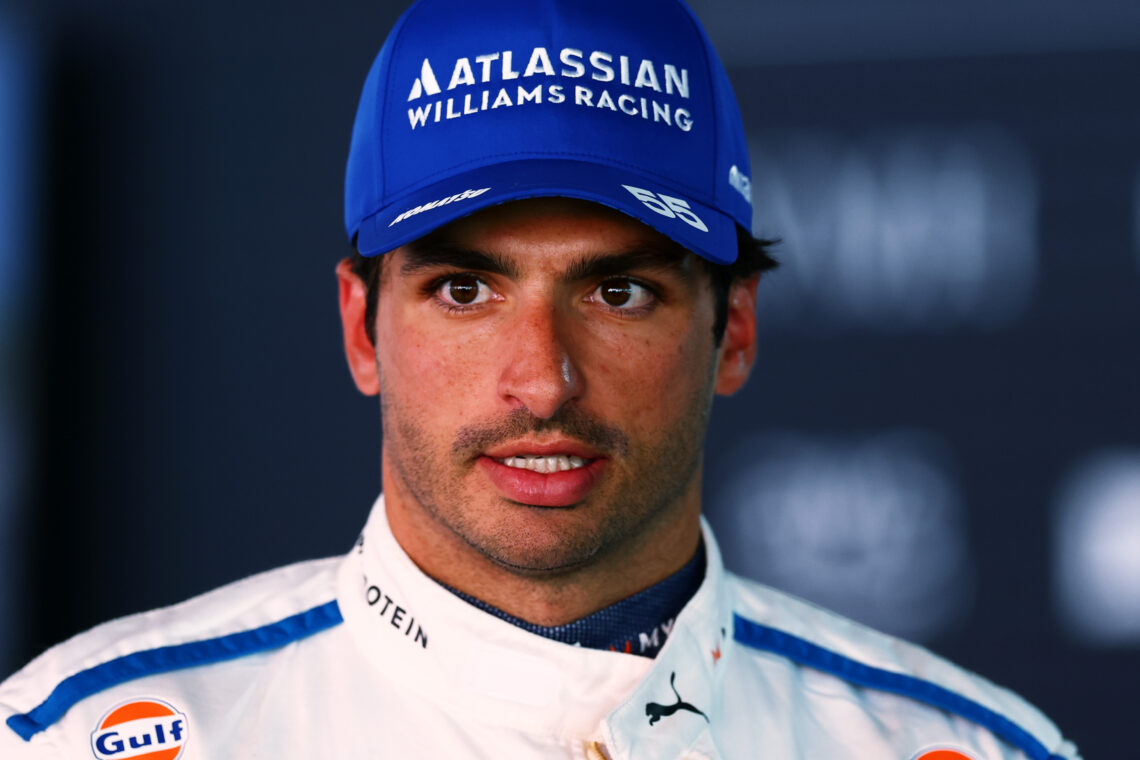


The Spanish Grand Prix has had many iterations since its inauguration in the 1951 Formula 1 season with racing taking place around five different circuits.
Carlos Sainz is one of two Spaniards on the 2025 grid and is keen for Formula 1 to continue racing in his homeland.
Barcelona is the current home of F1 in Spain and is a circuit drivers are familiar with, as pre-season testing also takes place there.
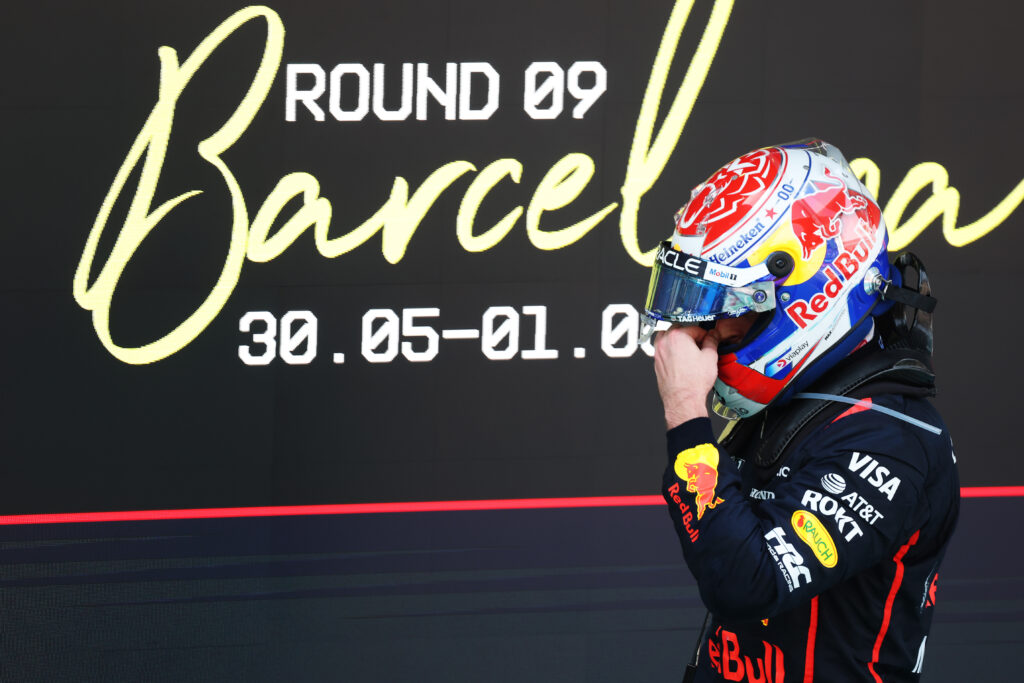
But the 2026 season is set to see the Spanish Grand Prix move again after 33 years with the creation of the ‘Madring’, a street circuit located in the nation’s capital, Madrid. This leaves Barcelona’s position on the calendar vulnerable, with questions raised about its future after 2026.
Carlos Sainz believes Madrid will be ‘the benchmark’ of Formula 1
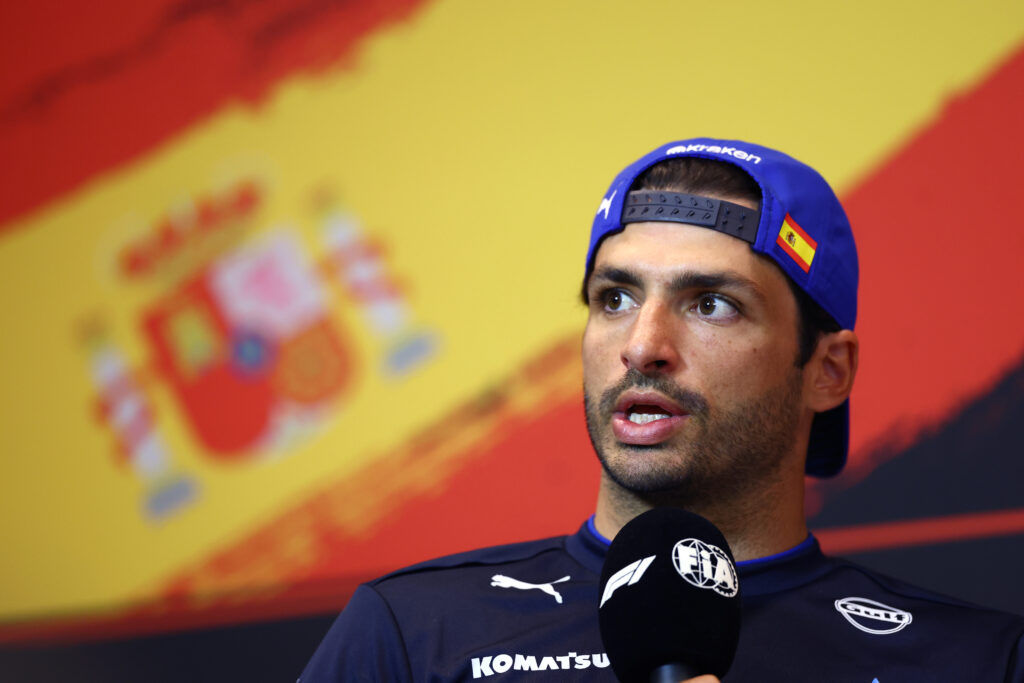
The 30-year-old Madrid native is the ambassador of the Grand Prix and is confident that his birthplace will put on a spectacle for the fans.
Speaking in a press conference on Saturday following an exhibition of the circuit he said: “I’m sure the event will be a success; we’re going to show that Madrid puts on events properly.
“I’m sure that Madrid will be the benchmark of the future.”
The Madring proudly possesses the longest banked curve of all championship circuits, providing a new challenge for its drivers to negotiate.
‘La Monumental’ stretches for half a kilometre at 24% banking with its shape inspired by bullfighting rings. Great bravery and tenacity will be required here to outwit this complex section.
Sainz’s father, a two-time rally world champion, holds the nickname ‘El Matador’, which is reminiscent of a bullfighter. The Williams driver may need to evoke this attitude when he sees ‘La Monumental’ from the cockpit.
However, street circuits are notoriously controversial in Formula 1 with some fans unimpressed that new street circuits are replacing traditional racetracks.
In 2025, drivers will race around eight different street circuits around the world.
| Street Race | Circuit |
| Australian Grand Prix | Albert Park |
| Saudi Arabian Grand Prix | Jeddah Corniche Circuit |
| Miami Grand Prix | Miami International Autodrome |
| Monaco Grand Prix | Circuit de Monaco |
| Canadian Grand Prix | Circuit Gilles Villeneuve |
| Azerbaijan Grand Prix | Baku City Circuit |
| Singapore Grand Prix | Marina Bay Street Circuit |
| Las Vegas Grand Prix | Las Vegas Strip Circuit |
Is this the end of F1 in Barcelona?
Circuit de Barcelona-Catalunya is currently contracted to remain on the race calendar until 2026 and will appear in conjunction with the Madring.
Its future from then on is murky as no plans for renewal currently exist.
Sainz is keen to keep racing in Barcelona and knows the two circuits have the potential to coincide.
The Spaniard said: “Madrid and Barcelona are compatible in F1. I know they are compatible because next year they will be.
“Having two races in my country is incredible, something very few drivers can do.
“We’ll have two in 2026, and I don’t know if it can last longer.
“I wish Barcelona all the best and I hope Madrid is a success and they can coexist forever.”
There have been two races in Spain in the past as between 2008 and 2012, Valencia hosted the European Grand Prix while Circuit de Barcelona-Catalunya continued as the home of the Spanish Grand Prix.
With the Madring expected to host the Spanish Grand Prix until 2025, it could be possible for racing to continue in Montmeló as the Catalan Grand Prix as it is also known in MotoGP.
While it may be unlikely for there to be two Spanish races every year, F1 is implementing a rotational system for some European races which may save Catalonia’s circuit.
Will Barcelona be the only circuit to leave the calendar?
Barcelona is not the only circuit at risk, with Imola and Zandvoort also set to miss out.
The Belgian Grand Prix in Spa has been confirmed to appear on a rotational basis while the Miami Grand Prix has signed a whopping 10-year extension until 2041, instead of the previously expected 2031.
Formula 1 reporter Filip Cleeren feels that F1 has made the decision to move to Madrid to force Barcelona to improve their facilities but that Barcelona may gain a rotational place if they continue to invest.
There are still ongoing negotiations regarding the future of the Barcelona Grand Prix and fans must remain patient.
Formula 1 is undergoing a transitional period and moving away from its European roots and traditional circuits.
It remains to be seen whether Circuit de Barcelona-Catalunya will remain on the calendar or be sacrificed for new races to come in.
History of the Spanish Grand Prix
It began life in Pedralbes, located in the west of Barcelona, and was no stranger to historic moments. Argentine Juan Manuel Fangio won the first of his five titles on the streets of the Catalan city before becoming a legend of the sport.
Jarama, 30 kilometres north of Madrid, became the new host with the Spanish Grand Prix being held nine times at this circuit before it moved to Montjuïc, again in Barcelona.
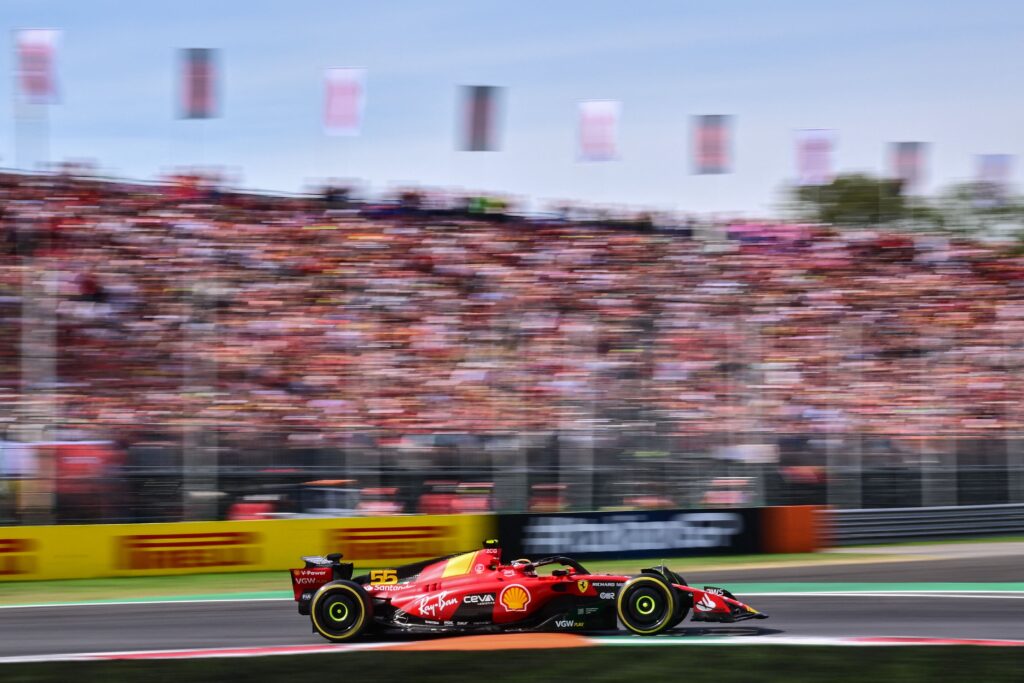
Following Montjuïc, F1 raced in Jerez until 1990 due to the Andalusian circuit’s diminished spectator turnout.
As a result, Circuit de Barcelona-Catalunya has claimed the Spanish Grand Prix since 1991 and saw Max Verstappen become the Spanish Grand Prix’s youngest race winner aged just 18 back in 2016.
Verstappen is not the only driver to obtain his first win here, Pastor Maldonado became Venezuela’s first Grand Prix winner back in 2012, in only his second season.
In 1994, Michael Schumacher had a magnificent Spanish Grand Prix under the Mediterranean sun achieving second place even though he was forced to race many laps only in fifth gear.