
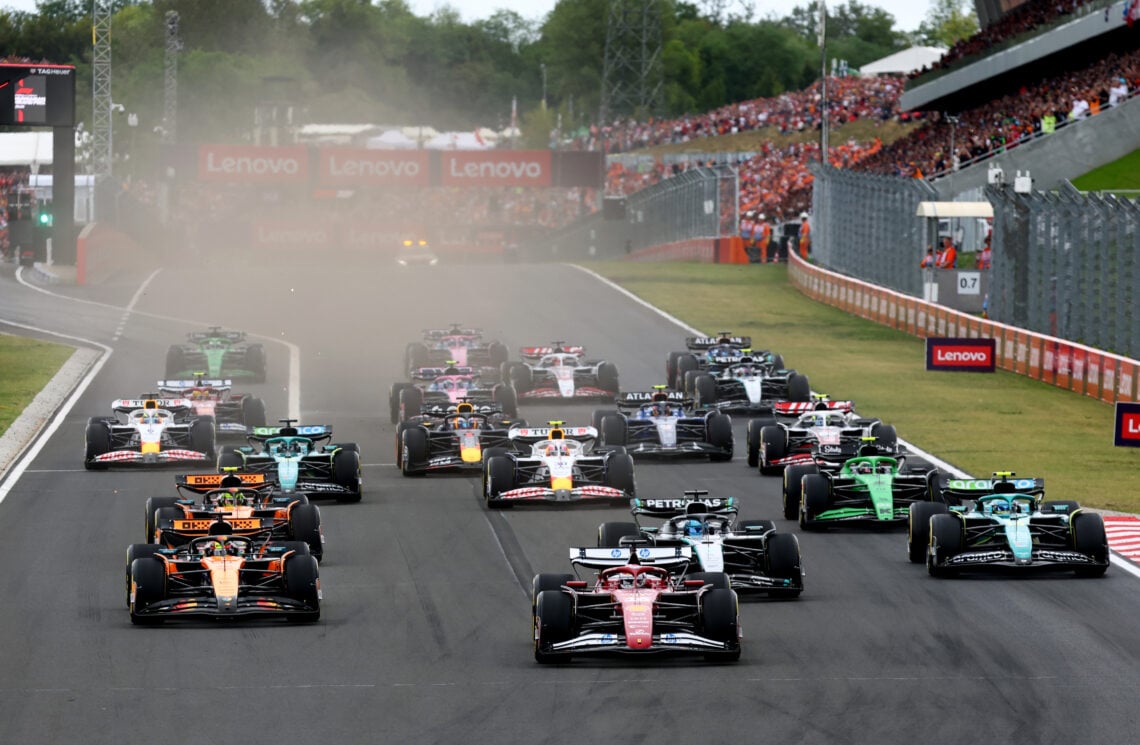


The 2026 season for Formula One is set to bring about some sweeping changes, which could shake up the entire order of the grid.
Every season brings about some changes, big or small, but the coming campaign is set to make some of the biggest yet.
Lighter cars, increased battery power, and adjustable front and rear wings are just a few ideas being implemented for 2026.
It will likely have the biggest impact on the F1 grid since the ground effect changes in the 2022 season, which allowed for closer racing between cars.
So, with that said, here’s a look at the 2026 regulation changes for Formula One and how they work.
Increased power unit split with battery power over internal combustion
One of the big changes coming in 2026 surrounds the engine and the power units within them.
As it stands, the F1 packages are largely powered by internal combustion units (ICU), with a little bit of battery power in the mix.
The current split is at about 80/20 for the two, but the new regulations in 2026 will put more emphasis on increased battery power.
The overall power of the units will decrease, but the battery power has increased from 120 kilowatts to 350 kilowatts.
That’s a near 50/50 split on the power unit between internal combustion and battery power, which could make for some interesting changes on how those units look for each team and their supplier.
F1 car dimensions will be reduced
There will be a big change to the F1 car dimensions for 2026, as they will be smaller and lighter as a whole.
The wheelbase and width of the cars have been reduced, while weight will be reduced by 30 kilograms compared to the current setup.
Downforce and drag are expected to be reduced too, coming as a huge switch to the aerodynamics of the packages.
Aerodynamic changes
The 2026 cars are set for a switch with the aerodynamics of the car with several different modes, which includes the possibility of movable front wings and rear wings.
Much like a DRS (Drag Reduction System) zone, where the rear flap can only open at certain points, the wings will be able to do the same.
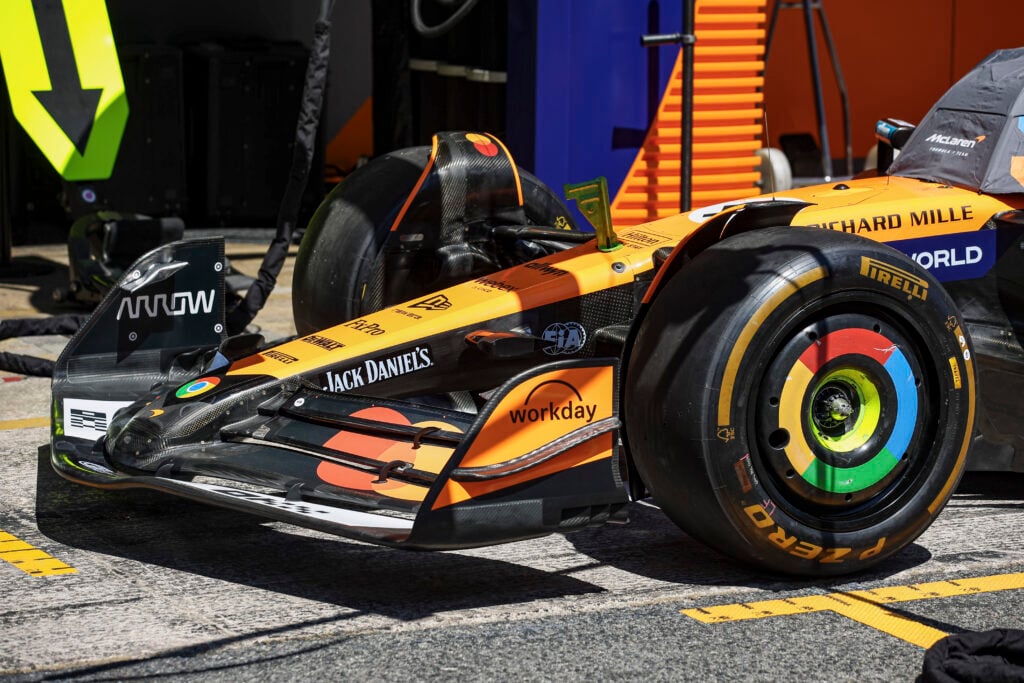
This can allow for drivers to gain better cornering or straight line speed, adding some more challenges for the drivers to get used to in the race.
There is some hope that all of these changes can bring about better performance, closer racing and increased drama.